K. Prasad Kini v. State Tax Officer & Anr.
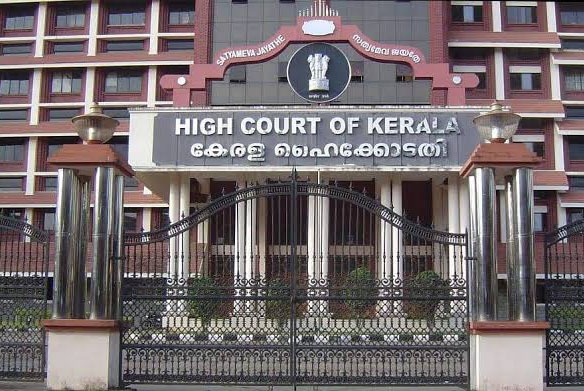
Kerala High Court | WP(C) No. 35785 of 2023 | Citation: 2026 TAXSCAN (HC) 1232 | Decided on 24.07.2026 | Coram: Justice Harisankar V. Menon.
Background:
The Petitioner challenged an assessment order passed under Section 73 of the CGST Act for the financial year 2017–18. His first appeal under Section 107 of the Act was rejected by the Appellate Authority. As the GST Appellate Tribunal under Section 112 had not been constituted at the time, the Petitioner approached the Kerala High Court by filing a writ petition. During the pendency of the writ petition, the State informed the Court that the GST Appellate Tribunal had since been constituted.
Issues:
Whether the High Court should entertain the writ petition when the GST Appellate Tribunal has become functional and an effective statutory remedy under Section 112 of the CGST Act is available?
Court's Decision
The High Court held that since the GST Appellate Tribunal had been constituted, the Petitioner had an effective statutory remedy of appeal under Section 112 of the CGST Act. Accordingly, the writ petition was disposed of with liberty to the Petitioner to file an appeal before the Tribunal within 60 days, subject to compliance with the mandatory pre-deposit requirement under Section 112. The Court did not examine the merits of the assessment order.
(Above brief of the judgement prepared by Ms. Shweta Singh, Advocate, Dated: 06 Aug 2026)
Subscribe to receive latest news on GST, Customs, FEMA and legal developments.